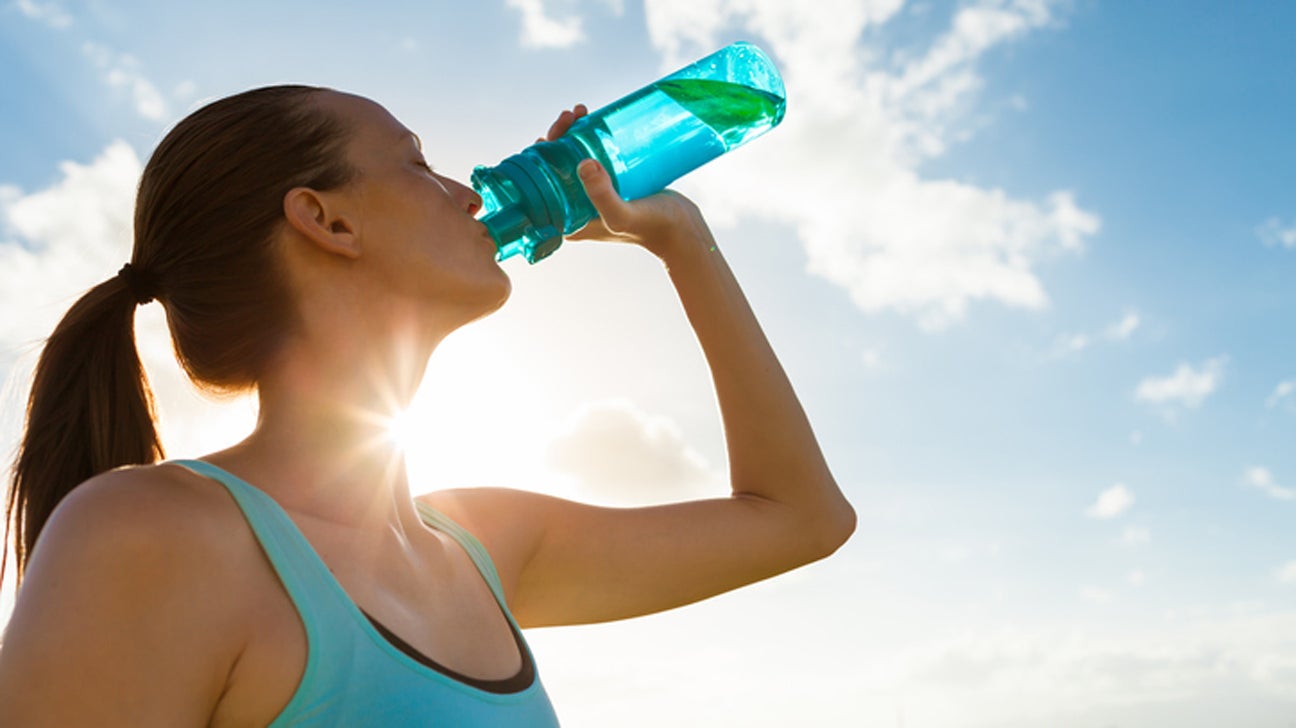
How Much Water Should We Drink Every Day? Facts vs Myths (A Complete, Friendly Guide)
“Drink eight glasses of water a day.”
“You’re dehydrated if you feel thirsty.”
“More water = healthier body.”
You’ve probably heard all these before. But are they true? Or just popular health advice passed around without evidence?
In a world where wellness trends pop up everywhere — from hydration apps to fancy electrolyte drinks — it’s surprisingly easy to get confused about something as simple as how much water we should actually drink every day.
This complete guide will break down the truth, dial down the confusion, and help you understand what your body really needs, based on real science — explained in a relaxed, friendly, easy-to-understand way.
Get comfy, grab a glass of water (or don’t — no pressure), and let’s dive into the facts and myths surrounding daily water intake.
- Why Water Matters So Much (The Simple Version)
Water isn’t just something we drink — it’s literally the foundation of life. About 60% of your body is water. Every system in your body depends on it, including:
- your brain
- your heart
- your muscles
- your kidneys
- your skin
- your metabolism
Water is involved in:
- transporting nutrients
- regulating body temperature
- cushioning organs
- removing waste
- supporting digestion
- maintaining energy levels
So yeah… water is a big deal.
But how much do you actually need? That’s where things get interesting — and surprisingly complicated.
- The Famous “8 Glasses a Day” Rule: Myth or Truth?
Let’s start with the one rule almost everyone knows:
“You should drink 8 glasses (2 liters) of water a day.”
Sounds simple. Easy to remember.
But here’s the truth:
The 8-glasses rule is NOT scientifically proven.
In fact, it seems to have started from a misunderstanding of a 1945 report that said people need about 2.5 liters of fluid a day — but it included water from food, which most people forgot.
Does that mean 8 glasses is wrong?
Not necessarily. It’s a decent average, but not a universal rule.
Everyone’s water needs are different.
- So… How Much Water Do You Actually Need Every Day?
Here’s the realistic, well-researched summary:
Most adults need around 2–3 liters of water per day.
That’s about:
- 8–12 cups
- half a gallon to almost a gallon
- depending on your body and lifestyle
But it’s not the same for everyone.
The real recommended amounts (from major health organizations) look like this:
🔹 Women: about 2.2 liters per day
🔹 Men: about 3 liters per day
This includes water from:
- drinks
- soups
- fruits
- vegetables
- coffee and tea
- basically any liquid
Yes, your iced latte does count toward hydration.
No, that doesn’t mean you should replace water with 3 coffees — sorry.
- So Why Is It So Hard to Find One Perfect Number?
Because the truth is:
Your water needs change constantly.
They depend on things like:
- your age
- your weight
- your activity level
- your climate
- your health
- your food
- your hormones
- your sleep
- even your stress levels
There’s no “one size fits all” rule because hydration is personal.
Think of it like this:
Your body is a constantly adjusting machine, and water is the fuel. Some days you need more. Some days you need less.
- The Biggest Myths About Hydration (Let’s Bust Them!)
Hydration advice online can feel like a jungle full of conflicting opinions. So let’s clear things up.
Myth #1: “If you feel thirsty, you’re already dehydrated.”
Not true.
Thirst is actually your body’s early signal, not a late emergency alert.
It simply means:
“Hey, you might want to drink something soon.”
Mild thirst doesn’t mean dehydration — it’s normal, natural, and healthy.
Myth #2: “Everyone needs 8 glasses of water a day.”
Nope.
Your needs depend on many personal factors.
Myth #3: “Caffeinated drinks dehydrate you.”
Old myth.
Coffee and tea DO contain caffeine, which is mildly diuretic, but not enough to dehydrate you.
You still absorb the water in them.
The only caution:
Drinking 5 cups of coffee a day is not the same as drinking 5 cups of water.
Myth #4: “Clear urine is the goal.”
Actually… not always.
Completely clear urine can mean you’re overhydrating.
Healthy urine is usually:
- pale yellow
- light straw color
Not clear like water, but not dark yellow either.
Myth #5: “Drinking more water helps you lose weight.”
Water helps with:
- reducing appetite
- improving metabolism slightly
- replacing sugary drinks
But:
Water alone doesn’t burn fat.
It’s a tool, not a magic fix.
Myth #6: “Chugging water quickly is good for you.”
Nope.
Your body absorbs water best when you sip regularly throughout the day, not when you gulp half a gallon in 10 minutes.
Myth #7: “More water is always better.”
Actually:
Too much water can be dangerous.
This is called water intoxication or hyponatremia — when sodium becomes dangerously diluted.
Rare but real.
- Signs You’re Drinking Enough Water (Simple Checklist)
Forget complicated formulas. Your body gives you clear signals.
You’re probably drinking enough if:
- your urine is pale yellow
- you urinate regularly
- your skin feels normal (not too dry)
- you don’t feel overly thirsty
- you have steady energy levels
- you’re not dealing with frequent headaches
Hydration doesn’t have to feel like a task — it should feel natural.
- Signs You’re NOT Drinking Enough Water
Mild dehydration can show up as:
- headaches
- tiredness
- dry mouth
- dark yellow urine
- dizziness
- constipation
- dry skin
- difficulty focusing
And no — chapped lips are not always dehydration (often it’s weather).
- Signs You’re Drinking TOO MUCH Water
We don’t talk about this enough, but overhydration is real.
Signs include:
- constantly clear urine
- needing to pee every hour
- nausea
- bloating
- headaches
- low sodium levels
- confusion (in extreme cases)
If you’re forcing yourself to drink water beyond your natural thirst, ease up.
- How Your Body Naturally Regulates Water
Your body is smarter than any hydration app.
It automatically balances your water through:
- thirst
- urine concentration
- hormones (especially ADH)
- kidneys adjusting water release
You don’t need a complicated hydration routine — you just need to pay attention.
- What Actually Affects Your Daily Water Needs?
Let’s break down the main factors that change how much water YOUR body needs.
- Activity Level
If you exercise, lift weights, run, dance, or do anything active, you sweat — and sweat means water loss.
You may need:
- +½ liter for light activity
- +1 liter for moderate exercise
- +2+ liters for heavy sweating or hot weather workouts
- Climate
Hot or humid weather increases water needs.
So does cold weather because your body works harder to regulate temperature.
Living in:
- tropical areas
- dry desert areas
- high altitudes
…all mean higher hydration needs.
- Eating Habits
Water intake depends on your food.
High-water foods include:
- watermelon
- cucumber
- lettuce
- tomatoes
- oranges
- soups
If you eat lots of fruits and veggies, you need less water.
If you eat mostly dry, salty foods, you need more water.
- Your Health Conditions
Certain conditions increase water needs, such as:
- fever
- diarrhea
- vomiting
- diabetes
- urinary conditions
And some require more control, like:
- kidney disease
- heart issues
- Pregnancy & Breastfeeding
Pregnant women need around:
- +300–500 ml extra
Breastfeeding women need:
- +700–1000 ml extra (milk is mostly water)
- Alcohol Intake
Alcohol dehydrates you.
If you drink:
- 1 alcoholic beverage → drink +1 glass of water
Your body will thank you.
- Does Drinking Water Improve Skin?
Here’s the truth:
Drinking water helps your skin indirectly, not magically.
Hydrated skin looks:
- fresher
- smoother
- more elastic
BUT:
If you drink a healthy amount already, drinking MORE won’t suddenly fix acne or wrinkles.
Skin health comes from:
- hydration
- diet
- sleep
- skincare
- hormones
Water is just one piece of the puzzle.
- Does Drinking Water Boost Energy?
Yes — but only if you’re dehydrated.
Even mild dehydration can cause:
- tiredness
- brain fog
- low motivation
So staying hydrated supports stable energy — but you won’t suddenly feel supercharged just by drinking extra water.
- Water & Weight Loss: What’s Real and What’s Hype?
Let’s keep it simple.
Water helps with:
- reducing cravings
- avoiding overeating
- replacing high-calorie drinks
- supporting metabolism slightly
- improving digestion
BUT:
Water alone doesn’t burn fat.
Drinking 4 liters a day won’t magically make weight disappear.
It’s a support tool — helpful, but not magical.
- What Counts as Water? (It’s More Than You Think)
You don’t need to drink only plain water to stay hydrated.
These ALL count as hydration:
- tea
- coffee
- juice
- smoothies
- milk
- herbal drinks
- coconut water
- broth and soup
- fruits and vegetables
Even foods like rice and oatmeal contain lots of water.
- How to Know Exactly How Much Water YOU Need (Simple Formula)
Here’s an easy guideline:
Drink half your body weight (in pounds) in ounces.
Example:
- You weigh 150 lbs → drink 75 oz → about 2.2 liters
- You weigh 200 lbs → drink 100 oz → about 3 liters
It’s not perfect, but it’s a great starting point.
- Practical Tips to Stay Hydrated Without Overthinking It
Hydration doesn’t have to feel like homework. Try these:
✔ Carry a water bottle
You’ll drink more automatically.
✔ Sip consistently
Don’t chug.
✔ Drink before meals
Good for digestion too.
✔ Add fruits or herbs to your water
Lemon, mint, berries — makes it fun.
✔ Listen to your body
Thirst is normal and helpful.
✔ Hydrate more when you’re active
Even small workouts need extra water.
✔ Limit sugary drinks
Hydration should help your body, not add unnecessary sugar.
- Can You Drink Too Little Water?
Yes. Chronic dehydration can lead to:
- kidney stones
- constipation
- headaches
- low energy
- dry skin
- poor concentration
Your body works best when it’s properly hydrated.
- Can You Drink Too Much Water?
Also yes — and it can be dangerous.
Drinking too much water too quickly dilutes sodium in your blood, leading to hyponatremia, which can be life-threatening.
This usually happens when people:
- force themselves to drink large amounts
- drink excessively during endurance sports
- follow internet “water challenges”
Just… no.
Drink enough — not endlessly.
- When to Drink More Water (Situations That Increase Your Needs)
Drink more when:
- you’re exercising
- you’re sweating
- you’re in hot or cold weather
- you’re sick
- you’re breastfeeding
- you’re drinking alcohol
- you’re on a high-salt diet
- you’re stressed (yes — stress hormones increase fluid needs)
- When You Can Drink Less Water
Drink slightly less if:
- you’re sedentary
- you eat lots of fruits/veggies
- you have certain medical conditions (doctor will advise)
Water needs are flexible, not rigid.
- So… What’s the Final Answer? How Much Should You Drink?
Here’s the honest, science-based summary:
✔ Most adults do well with 2–3 liters per day
✔ Thirst is a reliable guide
✔ Urine color tells you a lot
✔ You need more on active or hot days
✔ You need less if you get water from food
✔ Overhydrating is also possible
The perfect amount of water is the amount that keeps your body functioning optimally — not a magic number.
- Final Thoughts: Hydration Doesn’t Have to Be Complicated
Water is essential. Hydration matters.
But the internet has turned it into something far more stressful than it needs to be.
Here’s the bottom line:
- Drink when you’re thirsty
- Sip throughout the day
- Pay attention to your body’s signals
- Don’t force excessive amounts
- Adjust based on your lifestyle
- Keep it simple
Hydration isn’t a trend — it’s part of being human.
And once you understand what your body truly needs, it becomes natural and effortless.
So go ahead: stay hydrated, stay healthy, and don’t stress about the exact number of glasses.