Hypertension: Causes, Symptoms, and Natural Ways to Lower Blood Pressure – A Complete, Friendly Guide
High blood pressure — or hypertension — is one of those health issues that’s incredibly common yet often ignored until it becomes a real problem. Many people walk around for years without even realizing they have it. Why? Because hypertension doesn’t always show symptoms. It’s sneaky. In fact, that’s why doctors sometimes call it the “silent killer.”
But here’s the good news: hypertension is manageable, treatable, and in many cases preventable. And you don’t always need complicated treatments to start improving your numbers — there are tons of natural, simple, and realistic strategies that actually work.
In this long, relaxed, easy-to-read guide, we’ll dive deep into:
- what hypertension really is
- why it happens
- the common symptoms (and why many people don’t feel any)
- natural ways to lower blood pressure
- lifestyle changes that make a huge difference
- and how to protect your long-term health
Grab some water, get comfy, and let’s talk about blood pressure — in a way that makes sense and doesn’t sound like a medical textbook.
- What Exactly Is Hypertension? (Simple Explanation)
Hypertension is when the force of your blood pushing against your artery walls is consistently too high. Over time, this extra pressure damages your blood vessels and makes your heart work harder.
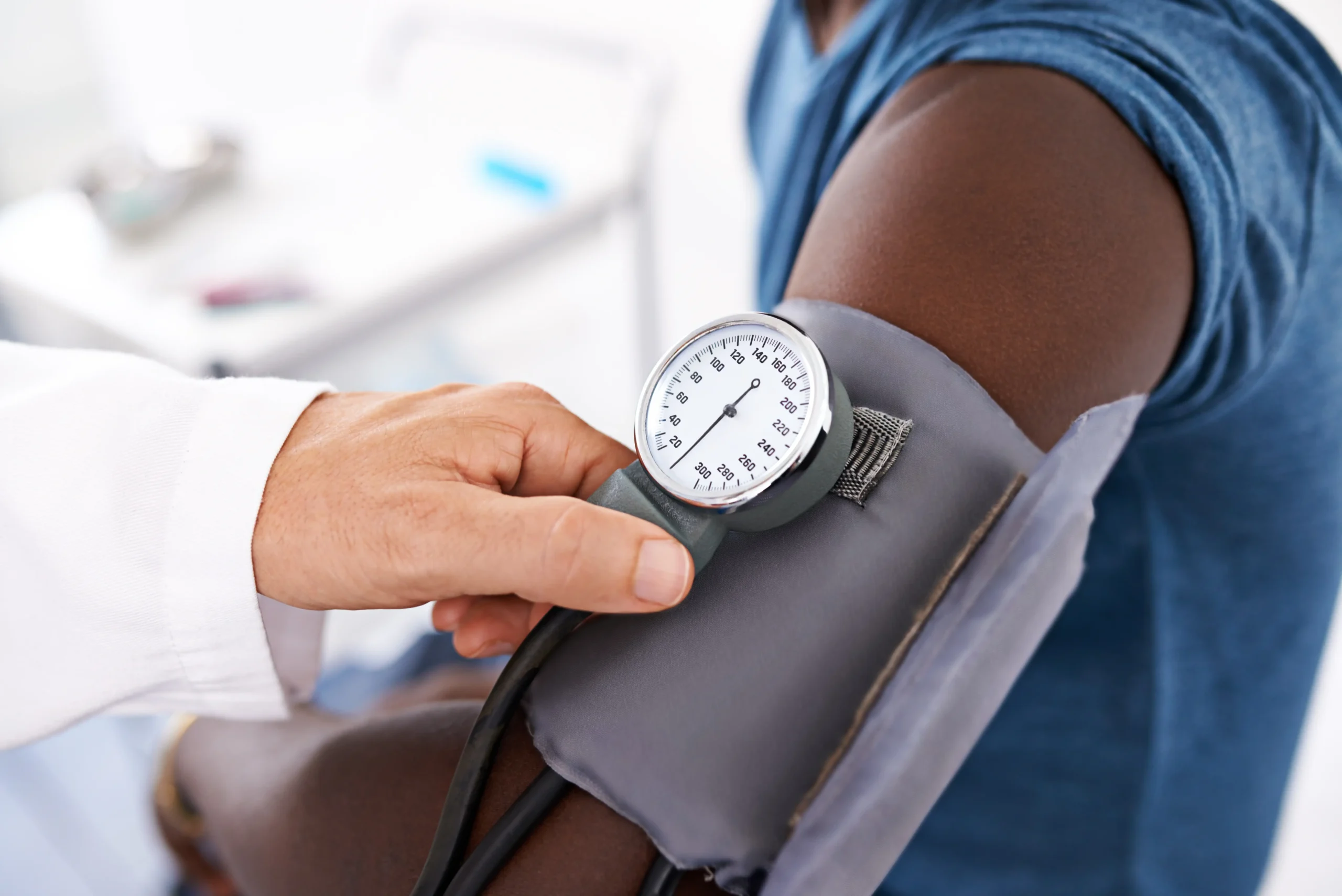
Blood pressure is measured with two numbers:
- Systolic (top number) – the pressure when your heart beats
- Diastolic (bottom number) – the pressure when your heart rests
Normal blood pressure:
About 120/80 mmHg
Hypertension:
Usually 130/80 mmHg or higher
You don’t need perfect numbers, but when blood pressure stays high for too long, it can increase the risk of:
- heart disease
- stroke
- kidney damage
- vision problems
- and more
The key word here is long-term. One bad reading doesn’t mean you have hypertension. But consistent highs? That’s when you need to pay attention.
- The Main Causes of Hypertension
Hypertension doesn’t usually come from one single thing. It’s more like a recipe — you add a little bit of genetics, some lifestyle factors, some stress, maybe a poor diet, and suddenly your blood pressure starts creeping up.
Let’s break it down in a friendly way.
- Genetics
If your parents or grandparents had high blood pressure, your chances increase. Some people are simply genetically more sensitive to salt or more prone to vessel stiffness.
Think of it like inheriting your family’s hair type or skin tone — you didn’t choose it, but it affects you.
- Age
The older you get, the stiffer your arteries become. It’s a normal part of aging, but it does make hypertension more common in adults over 40.
- Stress
Stress is a huge contributor. When you’re stressed, your body releases adrenaline and cortisol, which temporarily raise blood pressure. If stress becomes chronic, pressure stays high more often.
Work deadlines, financial pressure, relationship issues, and even lack of sleep all play a role.
- Poor Diet
Certain foods raise blood pressure, especially when eaten regularly:
- salty foods
- processed or fast foods
- fried foods
- sugary drinks
- high-fat and high-calorie meals
- too much red meat
Your blood vessels don’t like this kind of diet over the long run.
- Lack of Exercise
When you’re inactive, your blood vessels become less flexible, your heart gets weaker, and your blood pressure creeps up.
- Obesity or Overweight
Extra weight puts extra pressure on your blood vessels and heart. Even losing a small amount (like 3–5 kg) can improve blood pressure.
- Smoking and Alcohol
Smoking damages blood vessels.
Alcohol raises blood pressure and adds extra calories.
Even “occasional” binge drinking counts.
- Hormonal Issues and Medical Conditions
Certain conditions contribute to hypertension, such as:
- thyroid problems
- kidney disease
- diabetes
- adrenal gland disorders
- Medications
Some medications can increase blood pressure, including:
- birth control pills
- anti-inflammatory drugs
- steroids
- decongestants
If you notice higher readings after starting a new medication, talk to a healthcare professional.
- Symptoms of Hypertension (and Why Many People Don’t Know They Have It)
Here’s the tricky part: most people with hypertension feel nothing at all.
No pain. No dizziness. No warning signs.
That’s why regular check-ups matter.
But when blood pressure gets very high or stays high for a long time, symptoms might appear.
Possible symptoms include:
- headaches (especially in the morning)
- dizziness
- blurred vision
- chest discomfort
- shortness of breath
- heart palpitations
- fatigue
- nosebleeds (rare but possible)
These symptoms don’t always mean hypertension, but they can be red flags, especially when they appear together.
- Why You Should Care: The Long-Term Impact of Hypertension
You might feel fine today… but hypertension is a slow, silent condition that causes damage over time. Think of it like water dripping onto a rock — you don’t see the effect immediately, but months or years later, the damage becomes obvious.
Untreated hypertension increases the risk of:
- Heart attack
- Stroke
- Heart failure
- Kidney failure
- Vision loss
- Aneurysm
- Dementia
This might sound scary, but that’s why understanding it early is so important. The goal isn’t to frighten you — it’s to empower you to take control.
And the best part?
You can make a huge difference with natural lifestyle changes.
- Natural Ways to Lower Blood Pressure (Science-Backed and Doable)
Here’s the part most people are most interested in: natural, realistic ways to lower blood pressure without medication — or alongside medication for stronger results.
Let’s go through the most effective methods.
- Reduce Salt Intake (One of the Most Powerful Methods)
Too much salt (sodium) holds water in your body and increases blood volume, which raises pressure.
Try this:
- Avoid processed foods (they’re loaded with hidden sodium).
- Skip instant noodles, chips, canned soups, and frozen meals.
- Cook more meals at home.
- Use herbs and spices instead of salt for flavor.
Aim for 1,500–2,300 mg of sodium/day.
Even reducing salt slightly can drop systolic pressure by 5–6 points.
- Eat More Potassium-Rich Foods
Potassium helps balance sodium and relax blood vessels.
Foods rich in potassium include:
- bananas
- avocados
- potatoes
- spinach
- beans
- yogurt
- oranges
- salmon
Most people don’t eat enough potassium, but it can dramatically improve blood pressure.
- Exercise Regularly
Exercise strengthens the heart, improves circulation, reduces stress, and lowers blood pressure naturally.
You don’t need intense workouts.
Try:
- 30–40 minutes of walking
- light jogging
- dancing
- cycling
- swimming
- yoga
Aim for 150 minutes per week — totally manageable.
- Lose Weight (Even a Little Helps)
You don’t have to lose a ton of weight.
Every 1 kg of weight loss can reduce blood pressure.
A small, steady weight loss has a big impact.
- Manage Stress (Huge Impact)
Stress raises blood pressure temporarily — but repeated stress can keep it elevated.
Try:
- deep breathing
- meditation
- journaling
- taking breaks
- talking to someone
- reducing your to-do list
- listening to relaxing music
Even 5 minutes of slow breathing can lower blood pressure.
- Improve Sleep Quality
Poor sleep alters hormones, increases stress, and raises pressure.
Tips:
- sleep 7–9 hours
- avoid screens before bedtime
- keep your room cool and dark
- reduce caffeine
- create a bedtime routine
Good sleep = healthier heart.
- Limit Alcohol
Occasional drinking is fine, but too much increases blood pressure.
Recommended limits:
- Men: up to 2 drinks per day
- Women: up to 1 drink per day
But honestly, less is better.
- Avoid Smoking
Smoking instantly raises blood pressure and damages blood vessels.
Quitting can improve your cardiovascular health almost immediately.
- Drink More Water
Being dehydrated makes your blood thicker, which raises pressure.
Aim for 6–8 glasses a day.
- Eat a Heart-Healthy Diet
Two well-known diets for lowering blood pressure:
- DASH diet
Rich in fruits, veggies, whole grains, lean protein.
- Mediterranean diet
Olive oil, fish, nuts, vegetables, whole foods.
Both can reduce blood pressure significantly.
- Reduce Caffeine (Especially if You’re Sensitive)
Some people experience a noticeable rise in blood pressure after coffee.
Try limiting caffeine or switching to decaf.
- Try Natural Supplements (Use Wisely)
Some natural supplements may help, such as:
- garlic extract
- omega-3 (fish oil)
- magnesium
- potassium (if recommended)
- hibiscus tea
Always consult a healthcare professional before using supplements, especially if you’re on medication.
- Are There Foods That Help Lower Blood Pressure? Yes!
Best foods for lowering blood pressure naturally:
- leafy greens
- tomatoes
- beets
- berries
- oats
- yogurt
- nuts
- olive oil
- beans and lentils
- dark chocolate (70%+ cacao)
Adding these to your diet consistently helps protect your heart.
- What to Avoid If You Have Hypertension
Some foods and habits raise blood pressure significantly:
- salty snacks
- processed meats (sausage, bacon)
- fried foods
- sugary drinks
- excessive caffeine
- alcohol
- smoking
- sitting too much
- stress without coping tools
Small changes add up quickly.
- How to Monitor Your Blood Pressure at Home
A home monitor is a great investment. It helps you track patterns and detect early changes.
Tips for accurate readings:
- sit with back supported
- feet flat on the ground
- arm at heart level
- don’t talk during measurement
- avoid caffeine 30 minutes before
- measure at the same time daily
Keep a simple log. It’s helpful for future doctor visits.
- When to See a Doctor
Natural methods are great, but some situations require medical guidance.
Seek medical help if:
- readings are consistently above 140/90
- you feel dizziness, chest pain, or shortness of breath
- hypertension runs in your family
- lifestyle changes don’t lower your numbers
- you have other medical conditions (diabetes, kidney issues)
Medication isn’t a failure — it’s a tool.
Many people use both natural methods and medication to control blood pressure.
- Conclusion: Hypertension Is Manageable — And You Have More Control Than You Think
Hypertension can feel scary, especially when you hear about the risks. But the truth is:
you have a huge amount of power over your blood pressure.
Simple steps — eating healthier, exercising, improving sleep, managing stress, reducing salt — can make a massive difference.
You don’t have to overhaul your life overnight. Start small:
- take a walk
- drink more water
- add vegetables to your meals
- practice deep breathing
- sleep a little earlier
- cook more at home
Each small change is a step toward healthier blood pressure and a healthier heart.
You deserve to live with energy, confidence, and peace — and taking care of your blood pressure is a powerful way to get there.