Tips for Maintaining Mental Health During a Pandemic: From Meditation to Self-Care (Friendly Guide)
The pandemic changed everything. Suddenly, social gatherings, travel, and even daily routines became complicated, stressful, or impossible. It’s no surprise that mental health has been a hot topic these past few years. Anxiety, stress, isolation, and uncertainty can weigh heavily on anyone.
But don’t worry — managing your mental health during tough times is totally possible. This guide will cover practical, science-backed tips in a relaxed, friendly way. We’ll explore meditation, self-care, building routines, coping strategies, and tools for resilience.
By the end, you’ll have a toolkit to help protect your mind and feel calmer, more balanced, and in control — even when the world feels uncertain.
- Why Mental Health Matters During a Pandemic
Mental health isn’t just about “feeling good.” It affects:
- Sleep quality
- Energy levels
- Focus and productivity
- Relationships
- Physical health
During a pandemic, stress levels naturally rise due to:
- Health fears (yourself or loved ones)
- Isolation or limited social interaction
- Financial pressure
- Disrupted routines
- Overexposure to news or social media
Ignoring mental health can lead to anxiety, depression, burnout, or chronic stress. Addressing it proactively is key.
- The Power of Routine
Routines might seem boring, but they’re surprisingly powerful for mental stability.
Why routines help:
- Reduce uncertainty and stress
- Create a sense of control
- Help regulate sleep
- Boost productivity and focus
Tips to build a routine:
- Wake up and sleep at consistent times
- Schedule meals, exercise, and work breaks
- Set aside time for hobbies or relaxation
- Use a simple planner or calendar to track tasks
Even small routines — like a morning stretch or evening tea — can anchor your day and calm your mind.
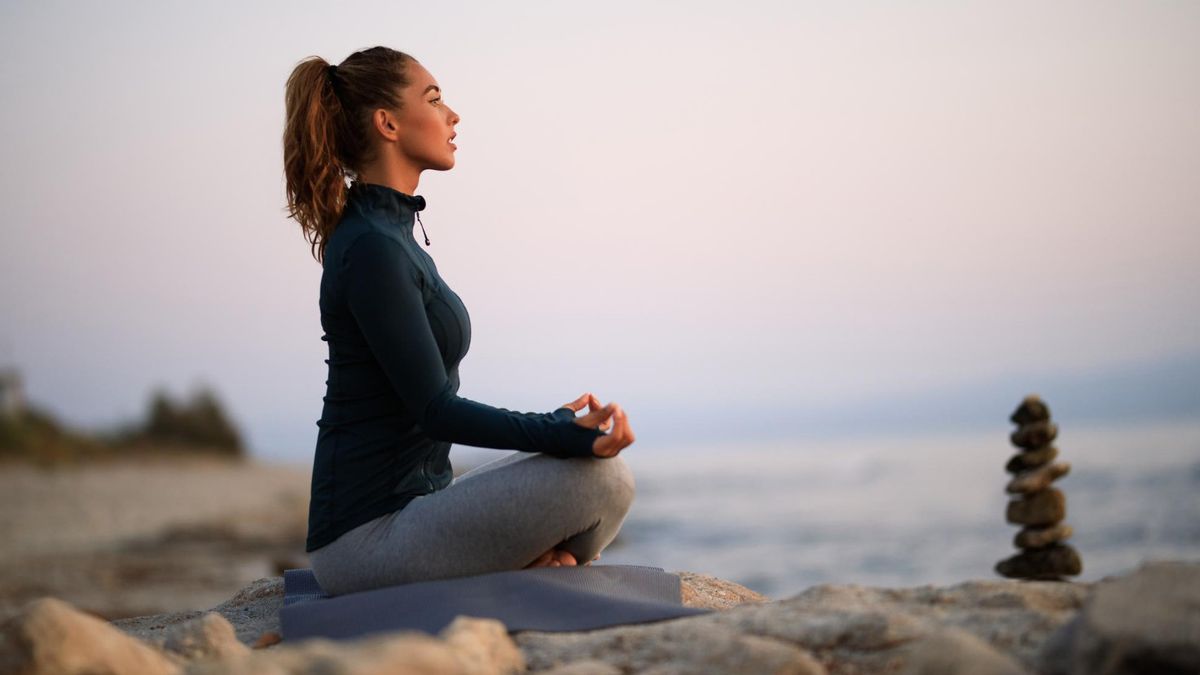
- Meditation: Your Mental Health Superpower
Meditation has gained popularity for good reason. It helps:
- Reduce stress and anxiety
- Improve focus and attention
- Increase self-awareness
- Promote emotional balance
Simple meditation tips:
- Start small: 5–10 minutes a day
- Sit comfortably, close your eyes, focus on your breath
- Try guided meditations (apps like Headspace, Calm, Insight Timer)
- Don’t stress about “clearing your mind” — just observe your thoughts
Even a few minutes a day can reset your brain and improve emotional resilience.
- Mindfulness: Living in the Present
Mindfulness is about being fully present in the moment. It’s closely related to meditation but can be practiced anytime:
- Notice the taste and texture of your food
- Pay attention to the sounds around you
- Observe your emotions without judgment
Mindfulness reduces rumination — the endless loop of worrying about past mistakes or future uncertainties.
Pro tip: Pair mindfulness with daily activities like walking, cooking, or brushing your teeth.
- Self-Care Isn’t Selfish
Self-care is often misunderstood. It’s not just bubble baths or spa days. It’s about taking deliberate actions to maintain your physical, emotional, and mental well-being.
Examples of self-care:
- Physical: exercise, healthy meals, sleep, hydration
- Emotional: journaling, talking to friends, therapy
- Social: connecting with loved ones, setting boundaries
- Fun: hobbies, music, creative outlets
During a pandemic, self-care becomes even more crucial because stressors are higher, and access to normal support systems may be limited.
- Exercise: Move Your Body, Calm Your Mind
Exercise isn’t just for fitness; it’s a mental health booster. Benefits include:
- Reduces cortisol (stress hormone)
- Releases endorphins (feel-good chemicals)
- Improves sleep
- Increases energy and focus
Pandemic-friendly tips:
- Home workouts (bodyweight exercises, yoga, resistance bands)
- Walking or jogging outside with proper precautions
- Dance or online fitness classes
- Stretching breaks if you’re working from home
Even 15–20 minutes a day can make a difference.
- Sleep: The Mental Health Pillar
Sleep is often overlooked but critical for emotional resilience. Poor sleep can increase:
- Anxiety and depression
- Irritability and frustration
- Difficulty focusing
- Poor immune function
Tips for better sleep:
- Stick to a sleep schedule
- Limit caffeine and alcohol, especially before bed
- Avoid screens 30–60 minutes before sleep
- Create a relaxing bedtime routine (reading, meditation, stretching)
Remember: consistent, quality sleep is like a daily reset button for your brain.
- Nutrition: Feed Your Mind and Body
What you eat impacts not just your physical health but your mental state. Nutrients can influence mood, energy, and focus.
Mental health-friendly foods:
- Omega-3 rich fish (salmon, sardines)
- Leafy greens and colorful vegetables
- Whole grains for steady energy
- Nuts and seeds
- Fermented foods (yogurt, kimchi) for gut health
Foods to limit:
- Excess sugar and processed snacks (can spike anxiety or energy crashes)
- Excess caffeine (may increase jitters or insomnia)
Tip: Small, consistent meals and hydration help maintain energy and mood.
- Social Connection: Even from Afar
Humans are social creatures. Isolation can take a toll on mental health. But during a pandemic, traditional socializing may not be possible.
Ways to stay connected:
- Video calls with friends or family
- Virtual book clubs, hobby groups, or classes
- Online support groups or forums
- Letters, texts, or small gestures to maintain contact
Remember: quality matters more than quantity. Even a short meaningful conversation can lift your spirits.
- Limit Media Overload
Constant news and social media can increase anxiety and feelings of helplessness.
Tips:
- Check news once or twice a day
- Avoid doomscrolling before bed
- Follow reliable sources
- Take social media breaks when needed
Being informed is important, but overconsumption is damaging.
- Journaling and Reflection
Writing down thoughts and feelings is surprisingly therapeutic. Benefits:
- Reduces stress and anxiety
- Helps clarify thoughts and emotions
- Tracks triggers or patterns
- Encourages gratitude and positivity
Try these journaling prompts:
- “What am I grateful for today?”
- “What stressed me out, and how did I handle it?”
- “One small win from today”
Even 5–10 minutes daily can help your mind feel lighter.
- Coping With Anxiety and Uncertainty
Uncertainty is one of the hardest parts of a pandemic. Here’s how to manage:
- Focus on What You Can Control
- Daily routines, hygiene, nutrition, exercise, sleep
- Accept Uncertainty
- Some things are beyond control. Practicing acceptance reduces unnecessary stress.
- Grounding Techniques
- Deep breathing: inhale 4, hold 4, exhale 6
- 5-4-3-2-1 technique: name 5 things you see, 4 things you feel, etc.
- Professional Help
- Therapists, counselors, or telehealth sessions
- Don’t wait until symptoms are severe
- Gratitude Practice
Gratitude may sound cliché, but science shows it improves mental health:
- Boosts mood and optimism
- Reduces stress and anxiety
- Strengthens relationships
Ways to practice gratitude:
- Keep a gratitude journal
- Share daily gratitude with friends or family
- Pause to appreciate small moments
- Hobbies and Creative Outlets
Doing something you love sparks joy and reduces stress. During a pandemic:
- Try cooking, painting, drawing, or music
- Learn a new skill online
- Gardening, crafting, or DIY projects
- Reading, puzzles, or writing
Creativity gives your brain a break from worries.
- Mindful Technology Use
Technology is a double-edged sword: it connects you, but it can overwhelm.
Tips:
- Set boundaries (phone-free meals, bedtime limits)
- Use apps mindfully (meditation, learning, productivity)
- Schedule breaks from work emails or social media
- Create “offline zones” in your home
Balance keeps stress low and mental clarity high.
- Building Resilience
Resilience is the ability to bounce back from challenges. You can strengthen it:
- Maintain routines and healthy habits
- Connect socially
- Practice mindfulness and self-compassion
- Reflect and learn from setbacks
- Celebrate small wins
Resilience doesn’t eliminate stress, but it makes coping easier.
- When to Seek Professional Help
Sometimes self-care isn’t enough. Signs to see a mental health professional:
- Persistent sadness, hopelessness, or anxiety
- Loss of interest in daily activities
- Trouble sleeping or eating
- Intense irritability or anger
- Panic attacks or intrusive thoughts
Early support prevents long-term mental health issues.
- Final Thoughts: Mental Health Is a Daily Practice
Mental health isn’t a one-time fix. It’s daily habits, small choices, and awareness.
During a pandemic, these practices can:
- Reduce stress and anxiety
- Improve emotional balance
- Boost physical health
- Increase resilience
- Help maintain connections
Remember:
- Be gentle with yourself
- Prioritize small wins
- Seek support when needed
- Celebrate progress, not perfection
With meditation, self-care, routines, so